Skip to content
Daybreak

The Science desk

Science & Culture

Discoveries, the arts and long reads worth your time.

57 stories right now

Science

Lab experiment shows how electrons gain energy during magnetic reconnection

Within a plasma, magnetic field lines can break apart and join up again in a new arrangement, releasing huge amounts of stored magnetic energy in the process. Named magnetic reconnection, this phenomenon is known to power dramatic solar flares and has also been recreated in lab…

Phys.org·
Science

Symmetry shortcut narrows the search for hidden magnetic patterns

In some magnetic materials, the spins of individual atoms line up in highly ordered patterns but point in directions that almost completely cancel out, leaving the material unmagnetized. The exact arrangement of these spins can strongly affect how electrons move through a…

Phys.org·

Science

Plant-inspired adhesive joins tiny blood vessels without stitches

Sewing together a blood vessel just a millimeter wide is delicate work. The connection must withstand each pulse while limiting damage to the vessel's inner lining. A new adhesive inspired by plant roots offers another approach. In rats, it cut the average joining time from…

Phys.org·

Science

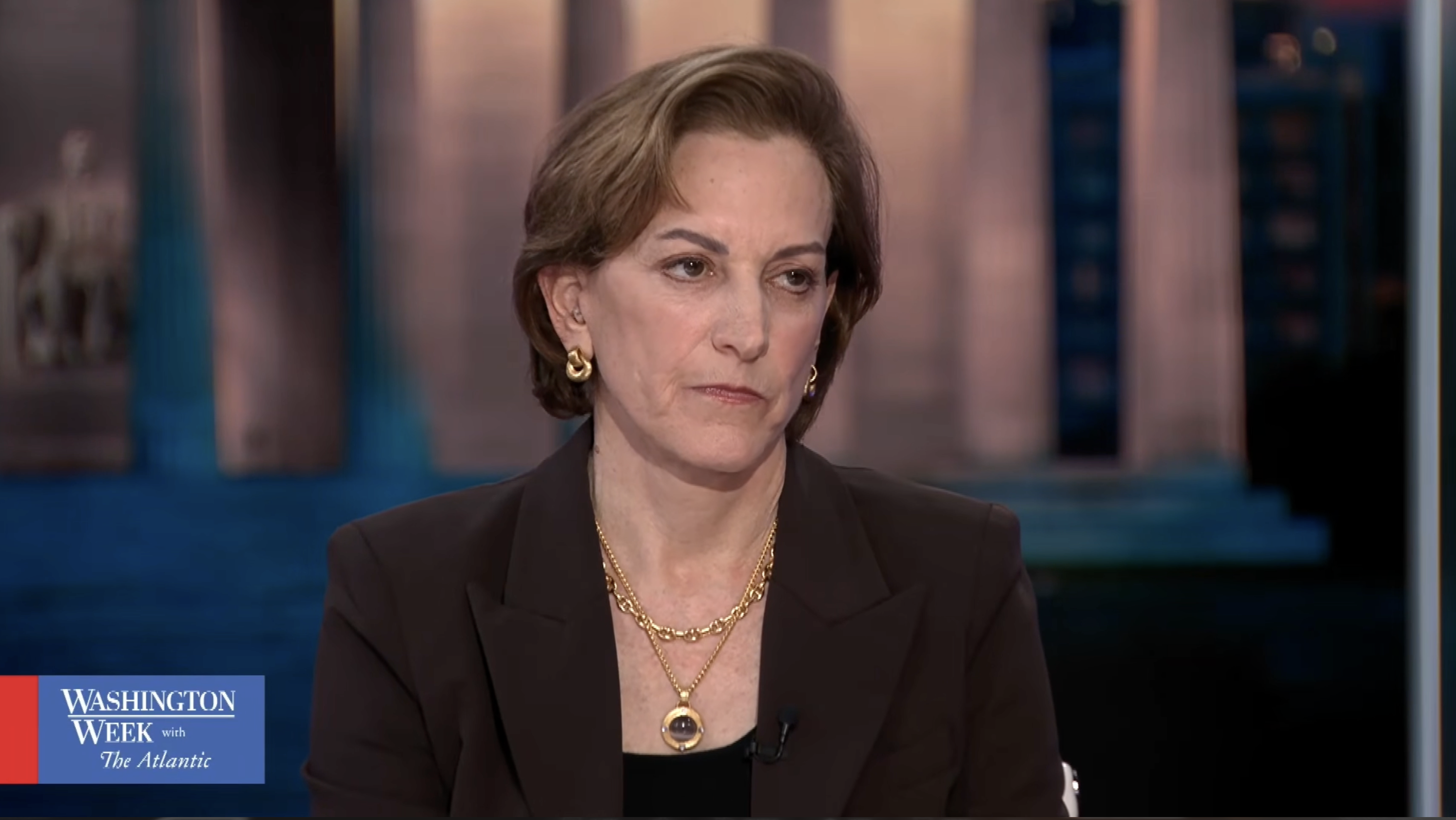
How Trump Is Shifting America’s Alliances

Anne Applebaum joined for a special edition of Washington Week With The Atlantic to discuss how the president’s actions may be distancing the country from its democratic allies.

The Atlantic·
Science

Why squeezing a rock can pull it apart

When a brittle material, such as a ceramic, rock or concrete sample, is squeezed between two plates, it can split lengthwise, even if the plates are pushing its ends together. So far, the physical explanation for this phenomenon has remained largely unclear.

Phys.org·
Science

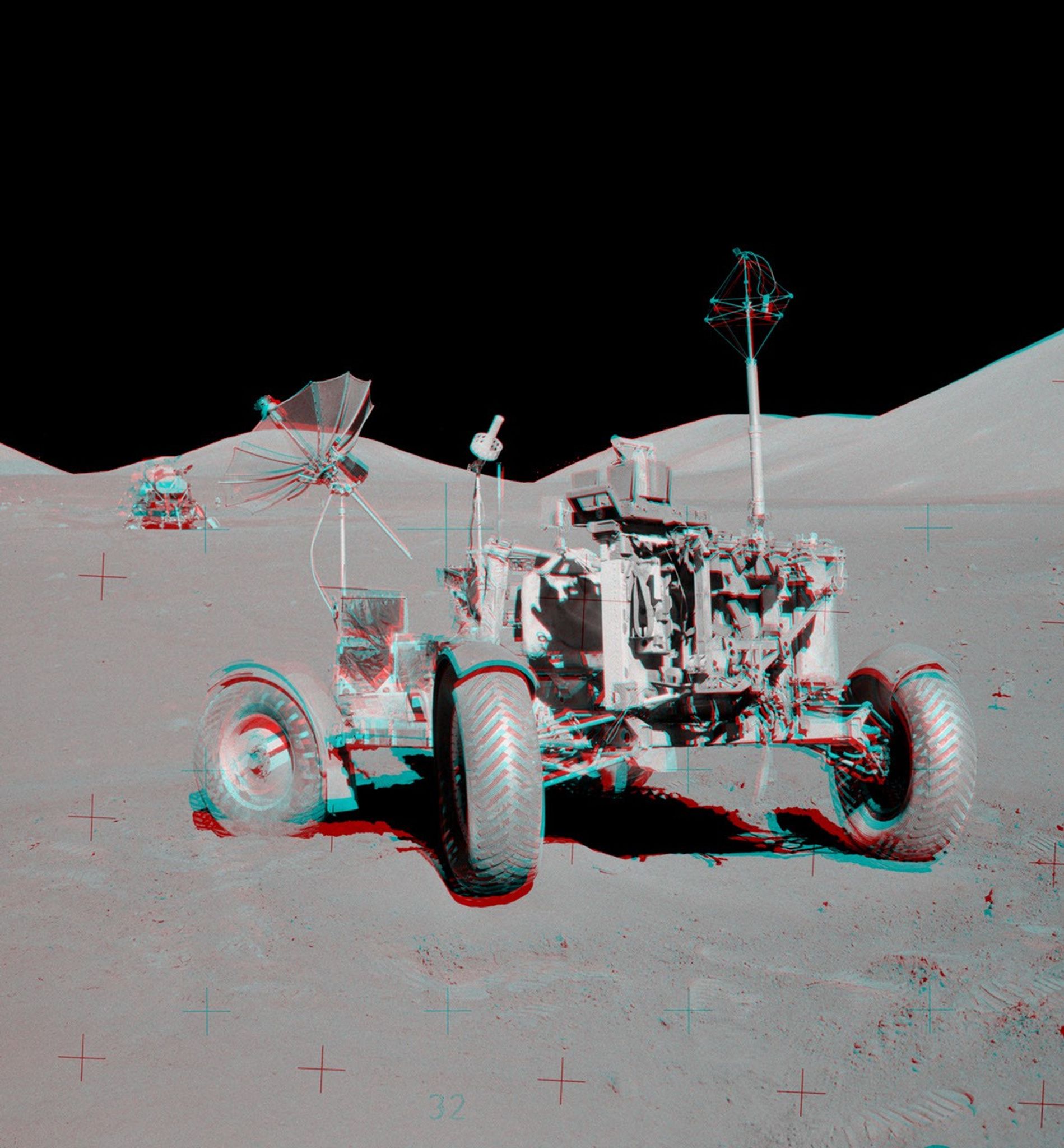
APOD: 2026 November 28 – Apollo 17 VIP Site Anaglyph

APOD Science APOD APOD: 2026 November 28 –… Today’s APOD Archive Submissions Index Search Calendar RSS Education About Discuss APOD Astronomy Picture of the Day Discover the cosmos! Each day a different image or photograph of our fascinating universe is featured, along with a…

NASA·
Science

Should space data centers run on solar panels, nuclear reactors or both?

The last few days we've been covering a series of papers by Dr. Slava Turyshev of NASA's Jet Propulsion Laboratory about the constraints surrounding the use of orbital data centers in space. One that has come up repeatedly is weight, and the solar panels used to power these data…

Phys.org·
Science

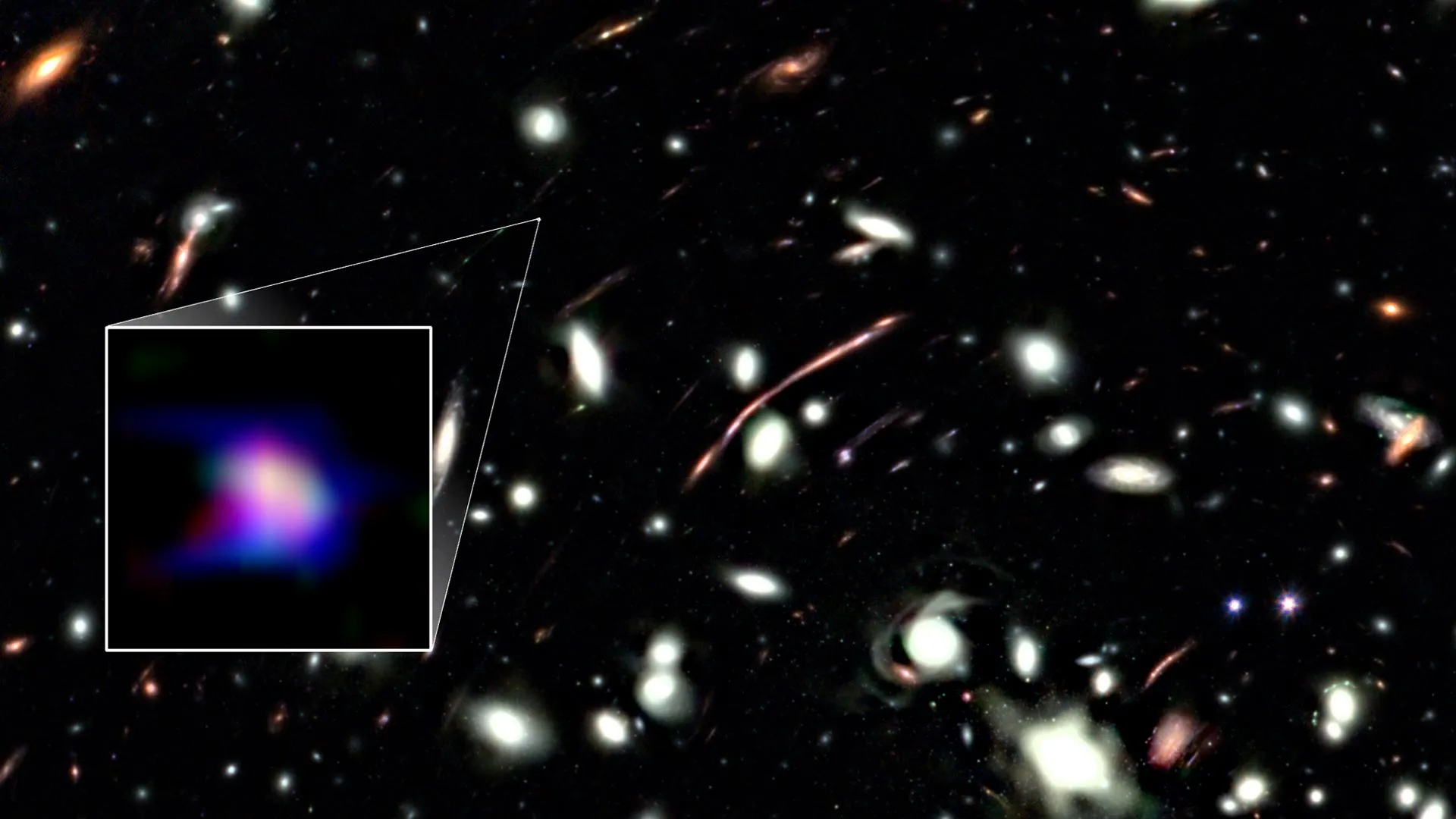
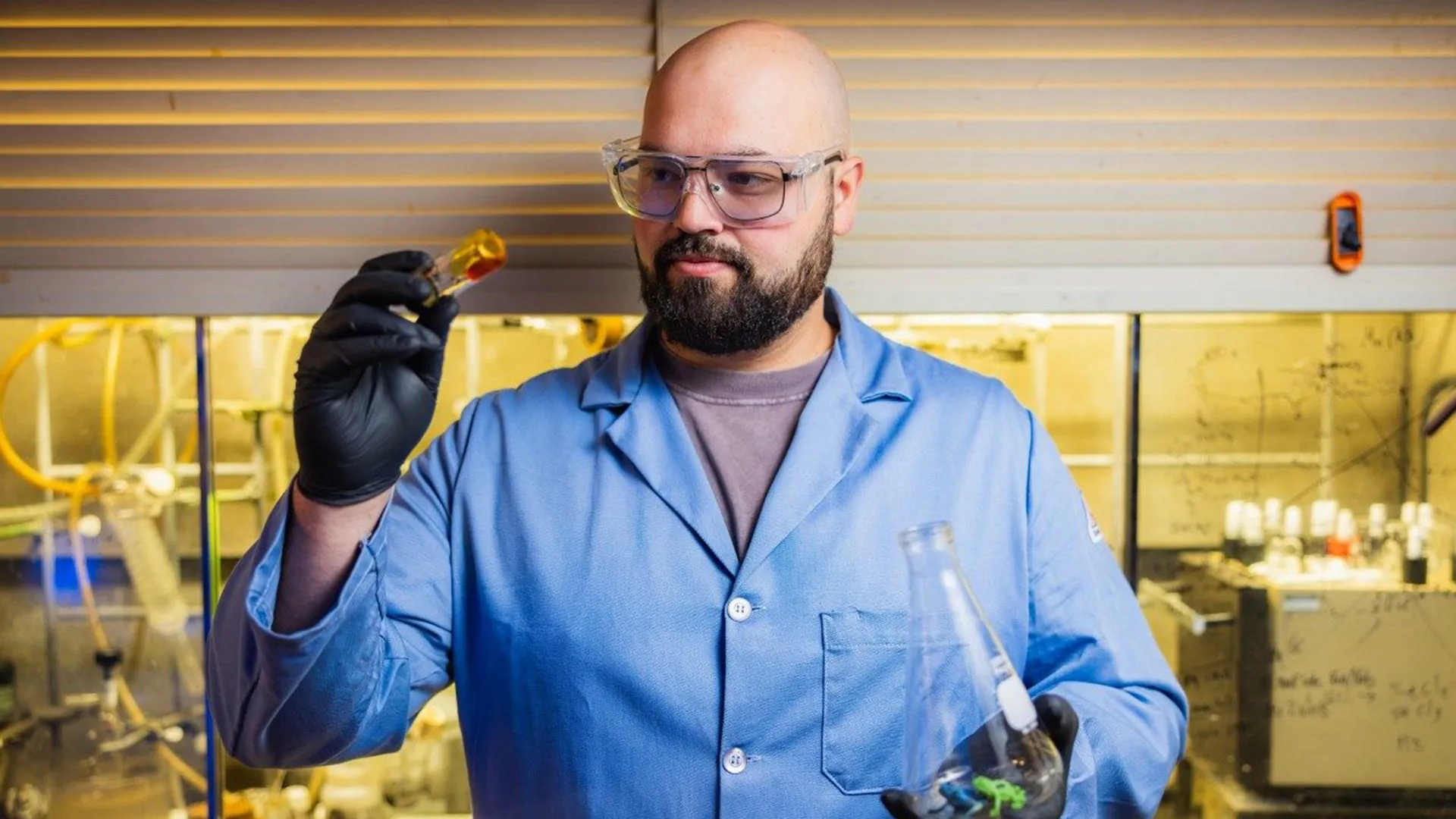
James Webb discovers a nearly pristine galaxy from 13 billion years ago

Astronomers have discovered an extraordinarily primitive galaxy from 13 billion years ago that may carry the chemical fingerprints of the universe’s first stars. The discovery could solve a decades-old mystery surrounding ancient galaxies near the Milky Way and reveal how the…

ScienceDaily·
Science

RNA discovery reveals how gut bacterium adapts to life in intestinal mucus

The mucus layer in the human gut is a tough place for bacteria: nutrients are scarce, and conditions are harsh. How do bacteria adapt to such extreme environments? Researchers at the Helmholtz Institute for RNA-based Infection Research (HIRI) and the Chair of Microbiology of the…

Phys.org·

Science

Artemis III Astronaut Andre Douglas Visits VAB

NASA astronaut Andre Douglas, Artemis III mission specialist, stands inside an RS-25 engine test article during a visit to the Vehicle Assembly Building at NASA’s Kennedy Space Center in Florida on Tuesday, Nov. 17, 2026. During Artemis III, four RS-25 engines will power the SLS…

NASA·

Science

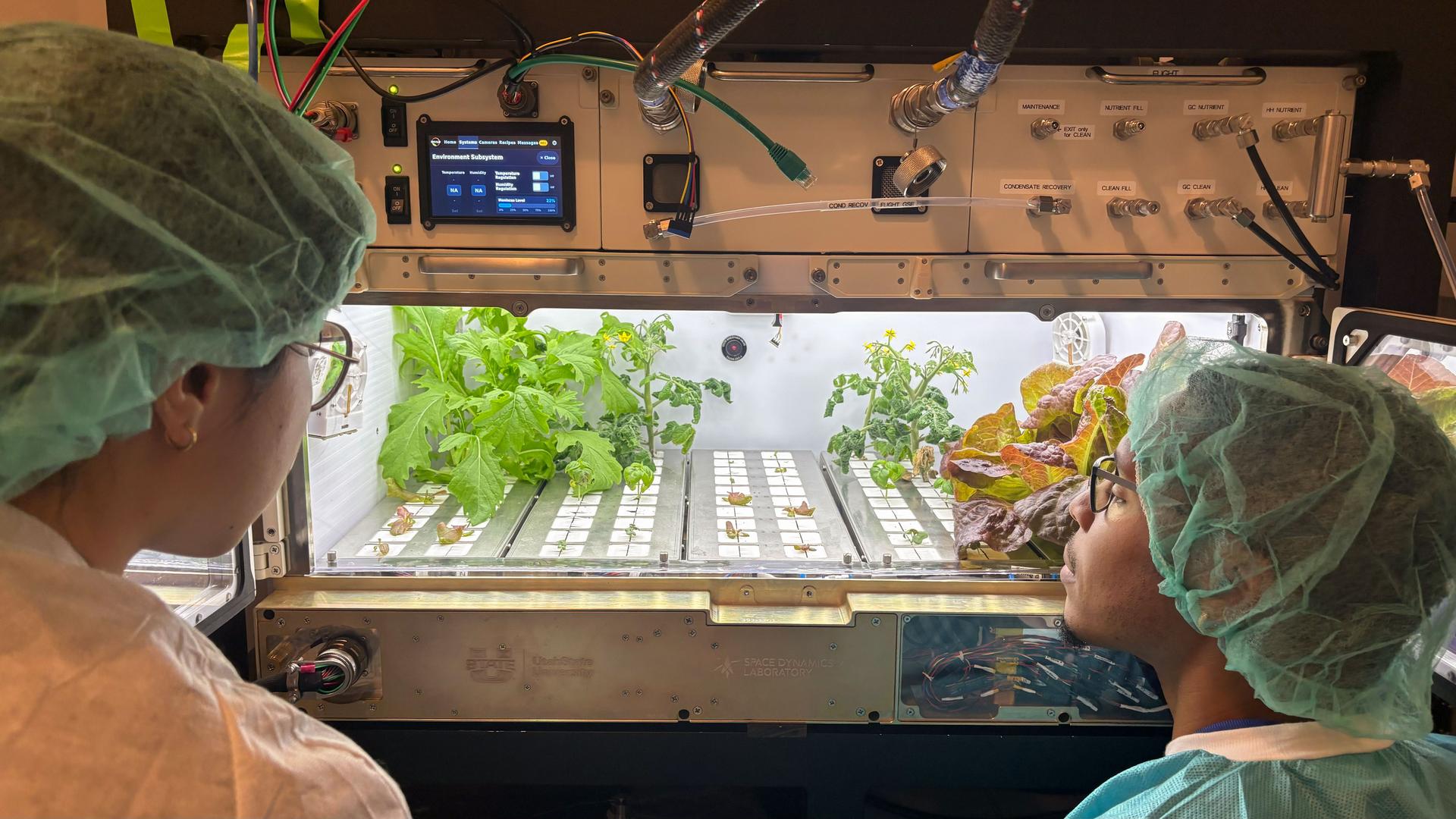
NASA’s NG-25 Mission to Launch Pioneering Space Crops Research

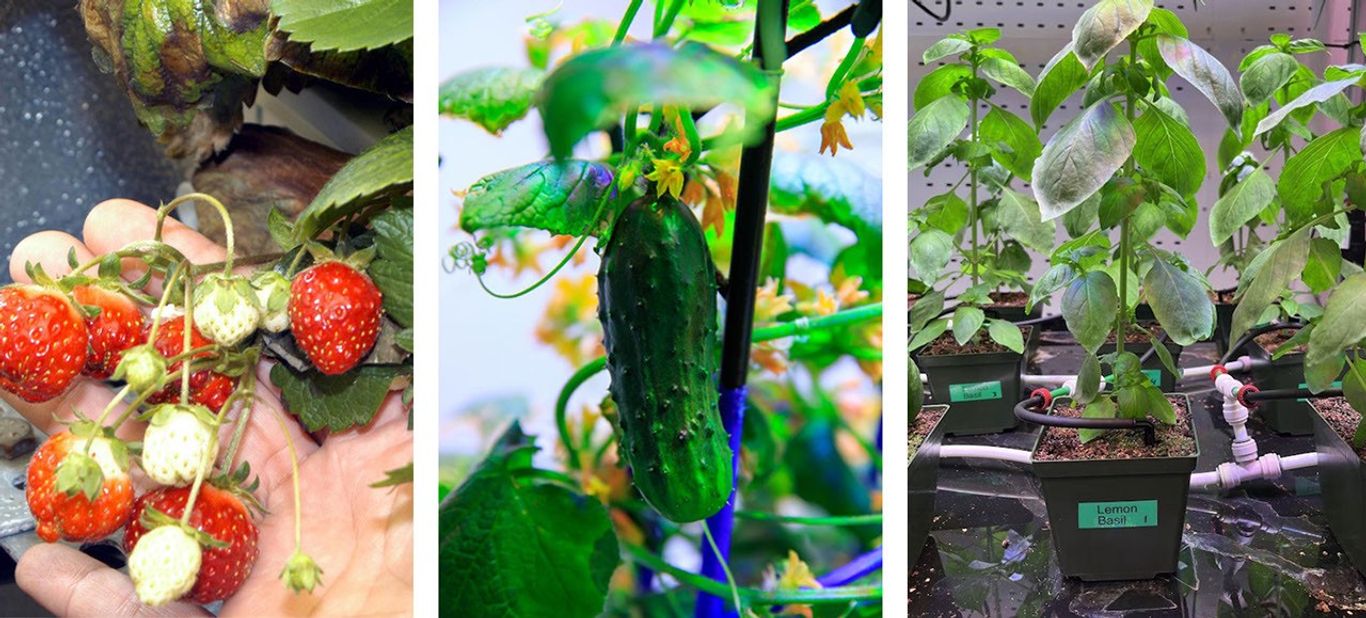
NASA experiments, including a first-of-its-kind space crop production system, will travel to the International Space Station aboard Northrop Grumman’s 25th Commercial Resupply Services mission for the agency. Investigations from NASA’s Biological and Physical Sciences Division…

NASA·
Science

Why College Towns Are Booming

Their evolution from NIMBY holdouts to YIMBY hotbeds is a testament to the left’s extraordinary shift on housing.

The Atlantic·
Science

APOD: 2026 November 27 – The Moon Watchers

APOD Science APOD APOD: 2026 November 27 –… Today’s APOD Archive Submissions Index Search Calendar RSS Education About Discuss APOD Astronomy Picture of the Day Discover the cosmos! Each day a different image or photograph of our fascinating universe is featured, along with a…

NASA·
Science

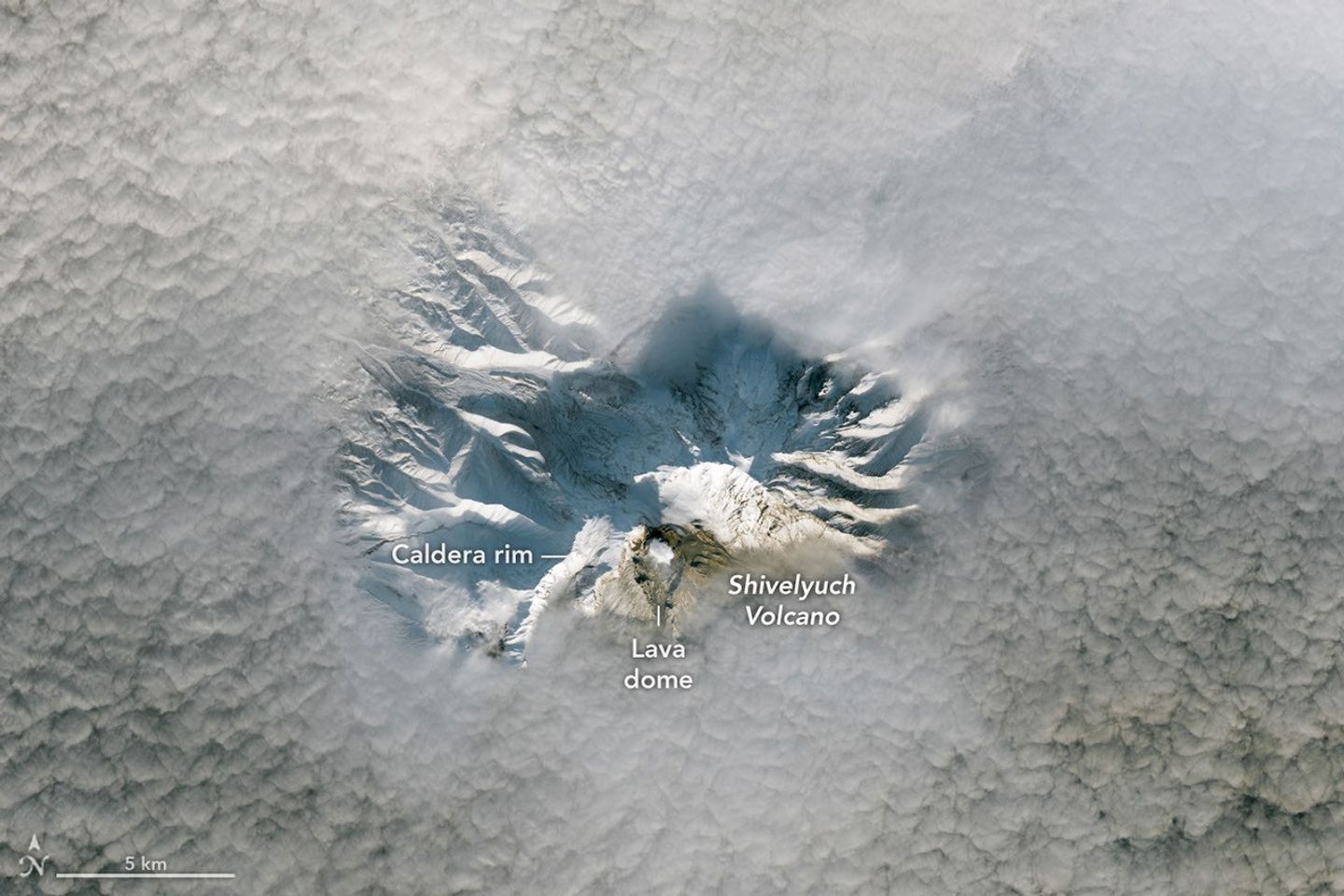
Shivelyuch Socked In

A cloud layer encircled the flanks of the volcano on the Kamchatka Peninsula but left its restless summit caldera in view.

NASA·
Science

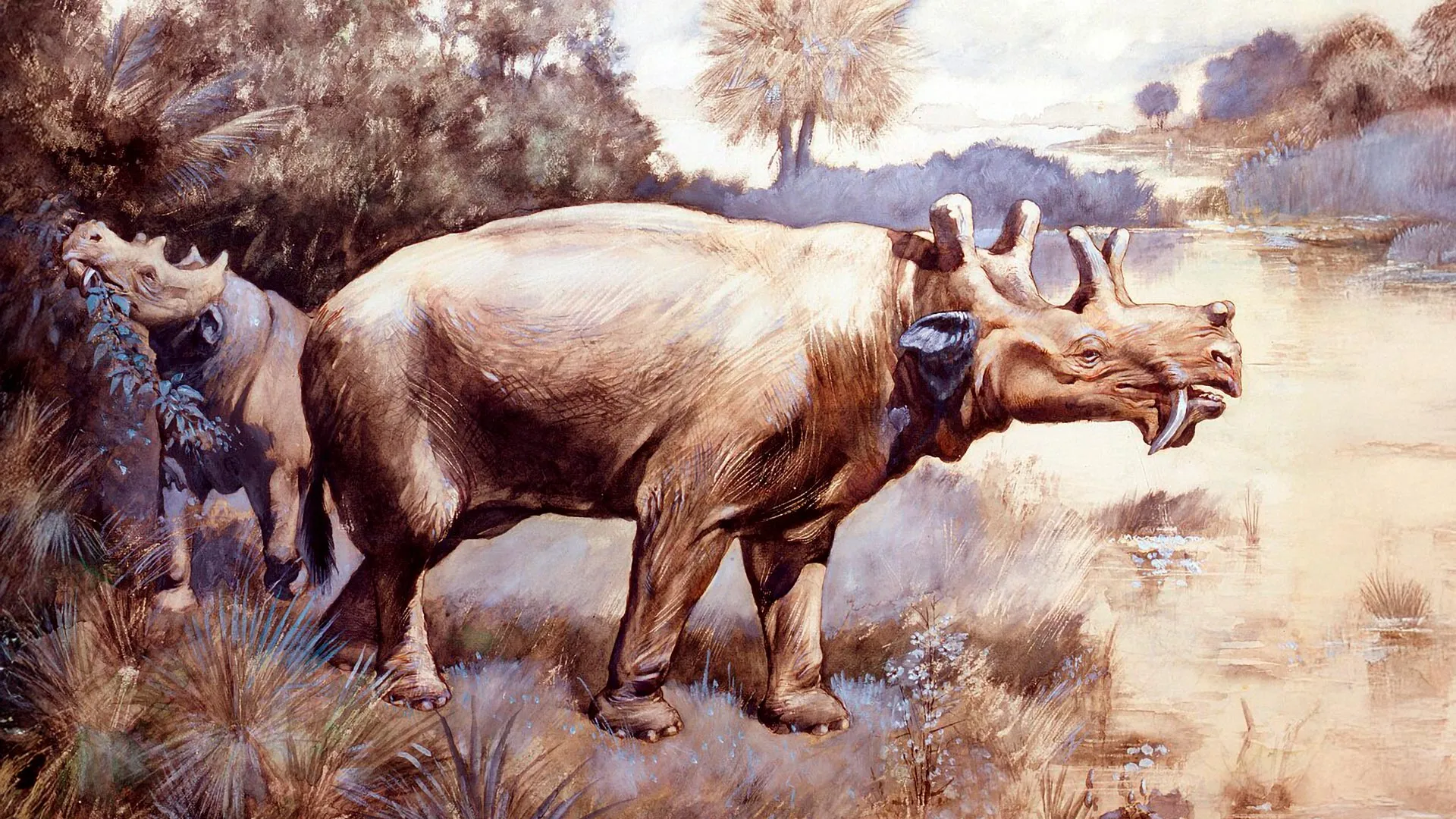
These bizarre prehistoric mammals may have been misunderstood for 150 years

Giant horned mammals that emerged shortly after the extinction of the dinosaurs may have had far fewer physical differences between males and females than scientists once believed. The discovery challenges a classic example of sexual dimorphism and raises questions about how…

ScienceDaily·
Science

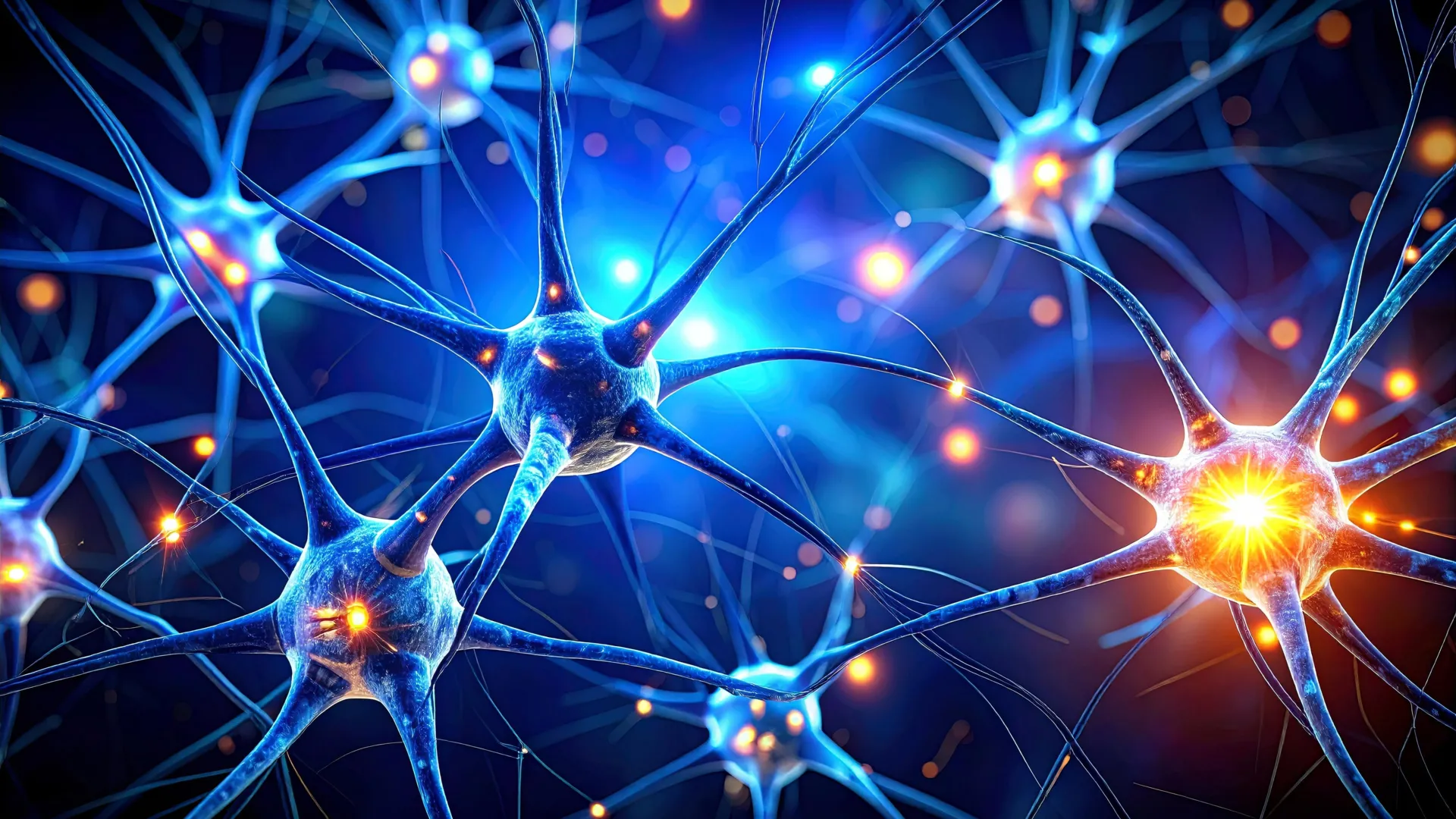
For decades, scientists may have misunderstood how brain cells work

A major new study challenges a long-standing assumption about how the brain works, revealing that most neurons are versatile multitaskers rather than highly specialized workers. By analyzing recordings from 43 regions of the mouse brain, researchers discovered that although some…

ScienceDaily·
Science

The surprising reason women seem better at multitasking than men

Men and women appear to be similarly capable of multitasking, but men are more than twice as likely to ignore conversation while juggling multiple activities. Researchers believe this unexpected difference may help explain why women are widely perceived as better multitaskers.

ScienceDaily·
Science

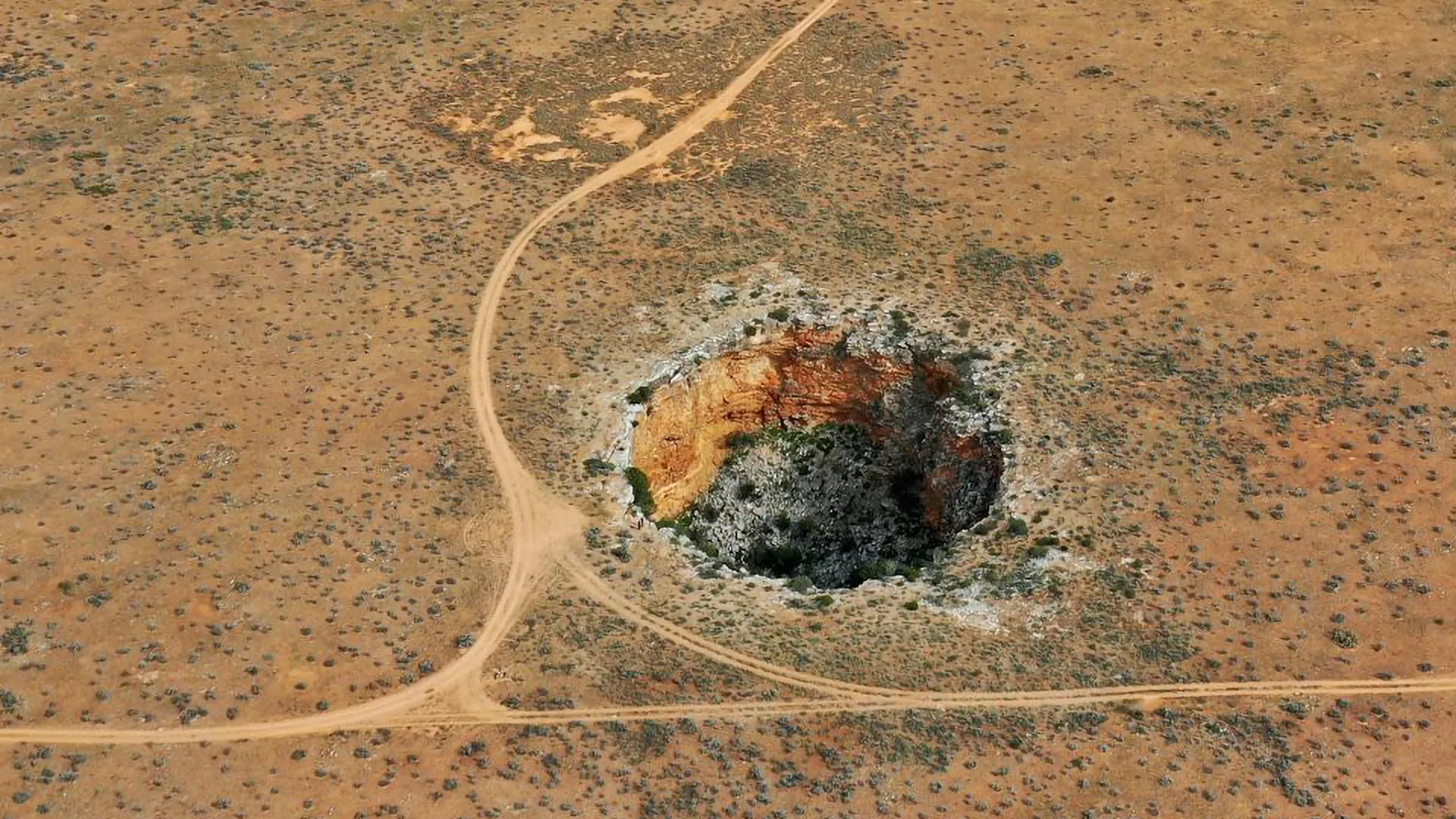
Deep beneath Australia, hidden caves could unlock the secrets of alien worlds

Scientists have solved the mystery of strange trenches scattered across Australia’s vast Nullarbor Plain, revealing an extensive hidden world beneath the surface. These subtle landscape features are created as deeply buried cave systems slowly collapse upward over millions of…

ScienceDaily·
Science

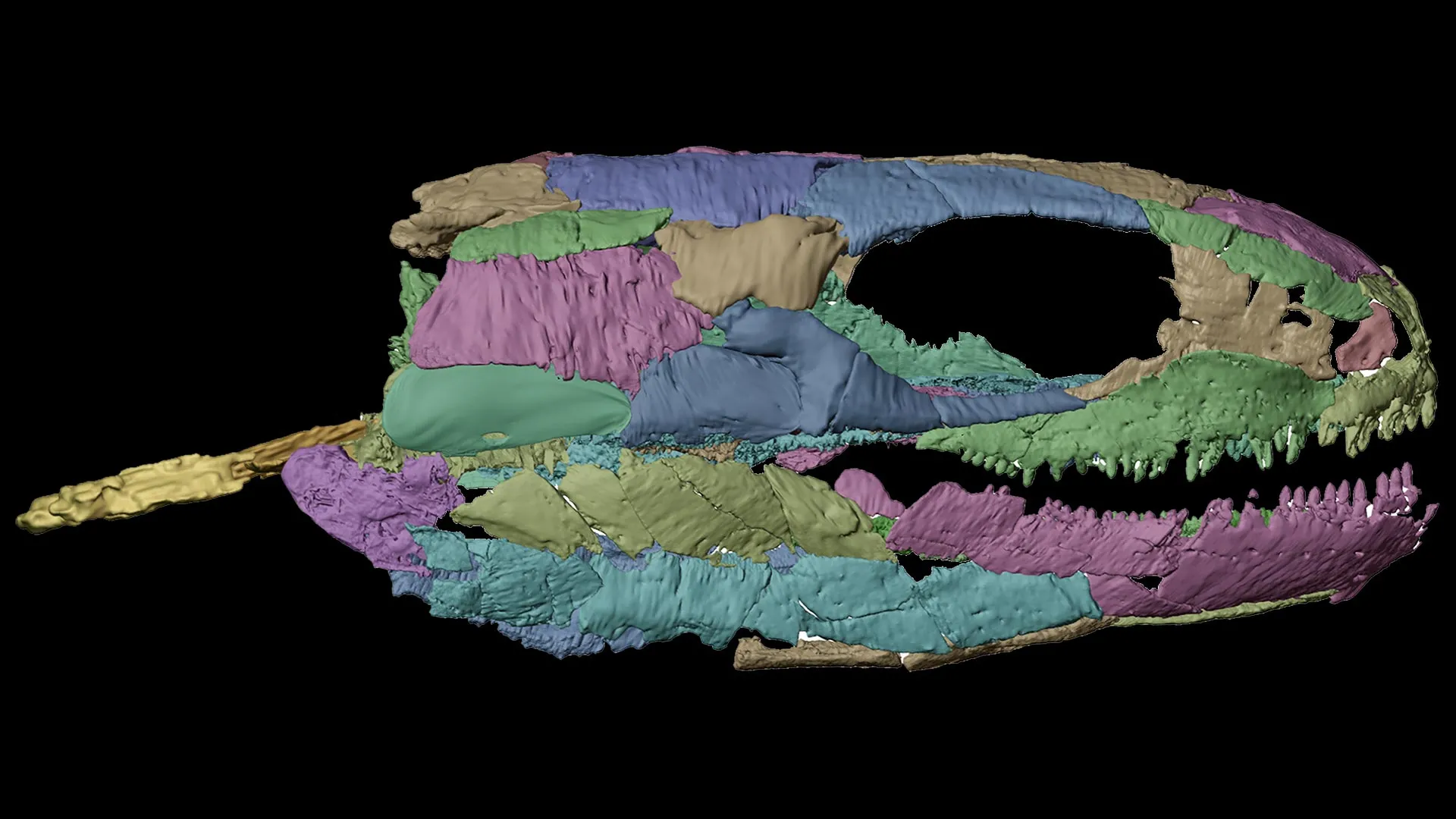
This 345-million-year-old fossil had scientists fooled for decades

A famous 345-million-year-old fossil has turned out to be something entirely different from what scientists believed for decades. Advanced X-ray imaging revealed hidden gills and thousands of tiny teeth, exposing a primitive aquatic or amphibious creature rather than an early…

ScienceDaily·
Science

APOD: 2026 November 26 – Eye in the Sky: The Milky Way over Lençóis

APOD Science APOD APOD: 2026 November 26 – Eye… Today’s APOD Archive Submissions Index Search Calendar RSS Education About Discuss APOD Astronomy Picture of the Day Discover the cosmos! Each day a different image or photograph of our fascinating universe is featured, along with…

NASA·
Science

Seeking Refuge on Resolution Island

New Zealanders have long envisioned the island as a predator-free zone for native birds, but swimming stoats have shown a resolve of their own.

NASA·
Science

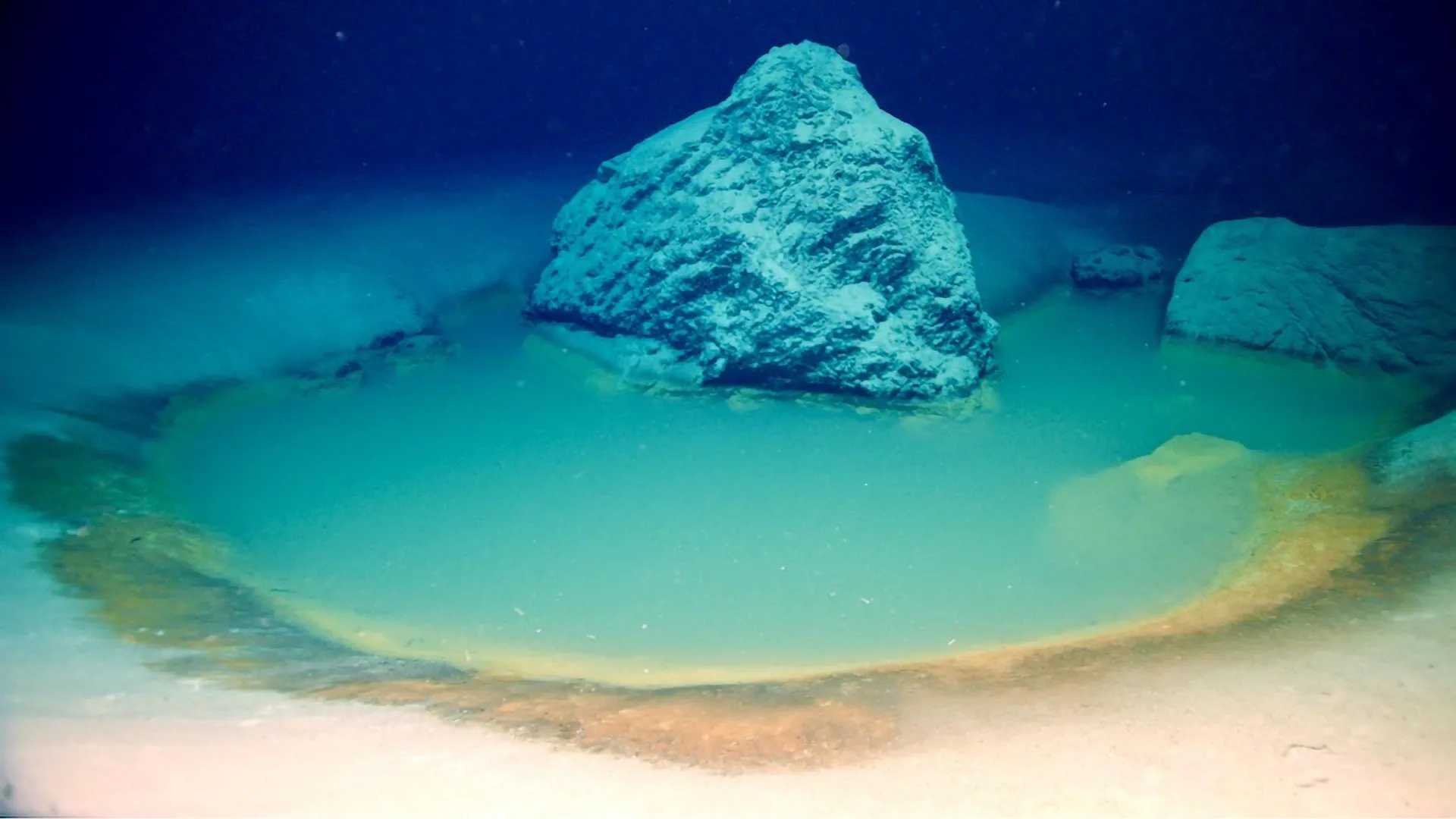
Scientists discover mysterious lakes more than a mile beneath the Red Sea

More than a mile beneath the surface of the Red Sea, scientists have discovered rare underwater lakes that could reveal secrets about Earth's ancient oceans and the possibility of alien life. Known as brine pools, these extremely salty, oxygen-free environments are surprisingly…

ScienceDaily·
Science

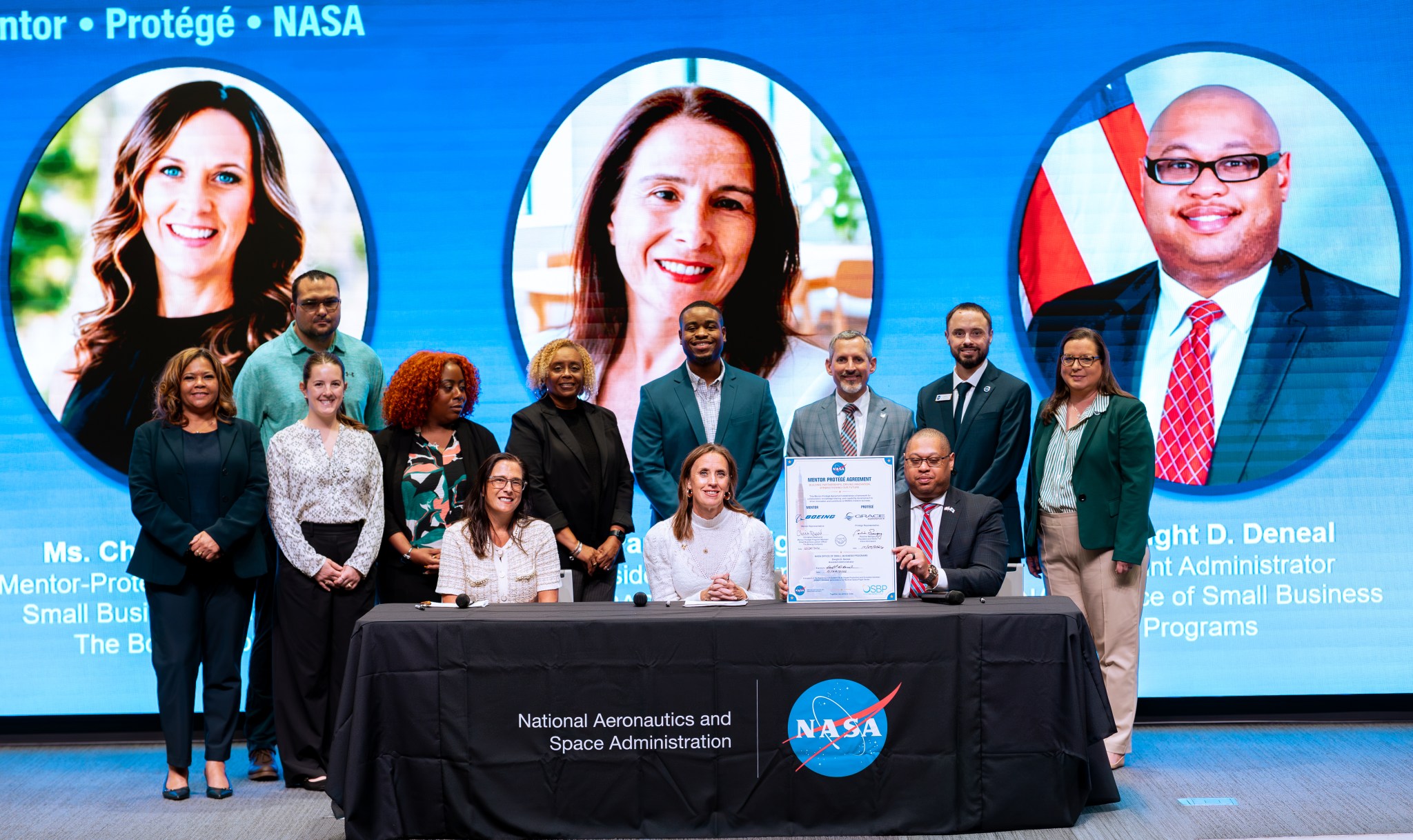
NASA Enhances Supplier Program, Announces Mentor-Protégé Agreement

How NASA works with small businesses is evolving, and as a result, the agency is strengthening the domestic aerospace industrial base to support future exploration missions through its recently renamed Small Business Supplier Development Program. As part of the program, NASA…

NASA·
Science

NASA Eyes Crop Candidates for Future Menus

As NASA prepares for future missions to the Moon and Mars, researchers are studying crops that could provide astronauts with fresh food, nutrition, and variety far from Earth. Such crop variety can help with menus in deep space, something top of mind this week as the nation…

NASA·
Science

Childhood, Career Come Full Circle for Budget Analyst at NASA Goddard

Conversations about NASA were the norm around the dinner table during Ashley Knight’s childhood. Her parents worked at NASA’s Goddard Space Flight Center in Greenbelt, Maryland, and discussions about happenings at the agency continued even when they came home from the office. “I…

NASA·
Science

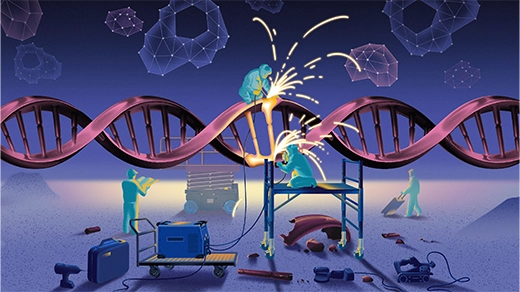
The Incredible, Elegant DNA Repair System Makes Gene Editing Work

Genetic information is sturdy, but its physical structure is sensitive. Natural tools for repairing a cell’s thousands of daily injuries are fundamental to gene-editing technologies. The post The Incredible, Elegant DNA Repair System Makes Gene Editing Work first appeared on…

Quanta Magazine·
Science

Network Researchers Nail Down Theory of ‘Perfect Resilience’

When links in a communication network go down, messages can get routed in a loop. Computer scientists now know that four simple network structures are to blame. The post Network Researchers Nail Down Theory of ‘Perfect Resilience’ first appeared on Quanta Magazine

Quanta Magazine·
Science

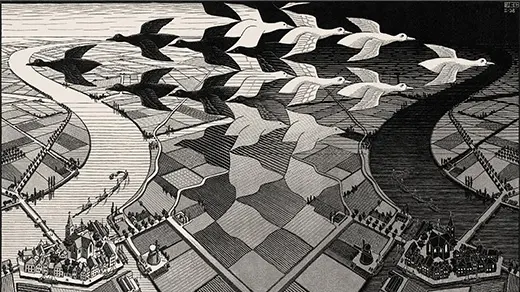
How M.C. Escher’s Art Creates Bizarre Mathematical Worlds

The artist had no formal math education, yet as a new exhibition shows, the insights revealed in his artwork became an enduring inspiration to mathematicians. The post How M.C. Escher’s Art Creates Bizarre Mathematical Worlds first appeared on Quanta Magazine

Quanta Magazine·